Visual Inspection Systems: The Future of Quality Assurance
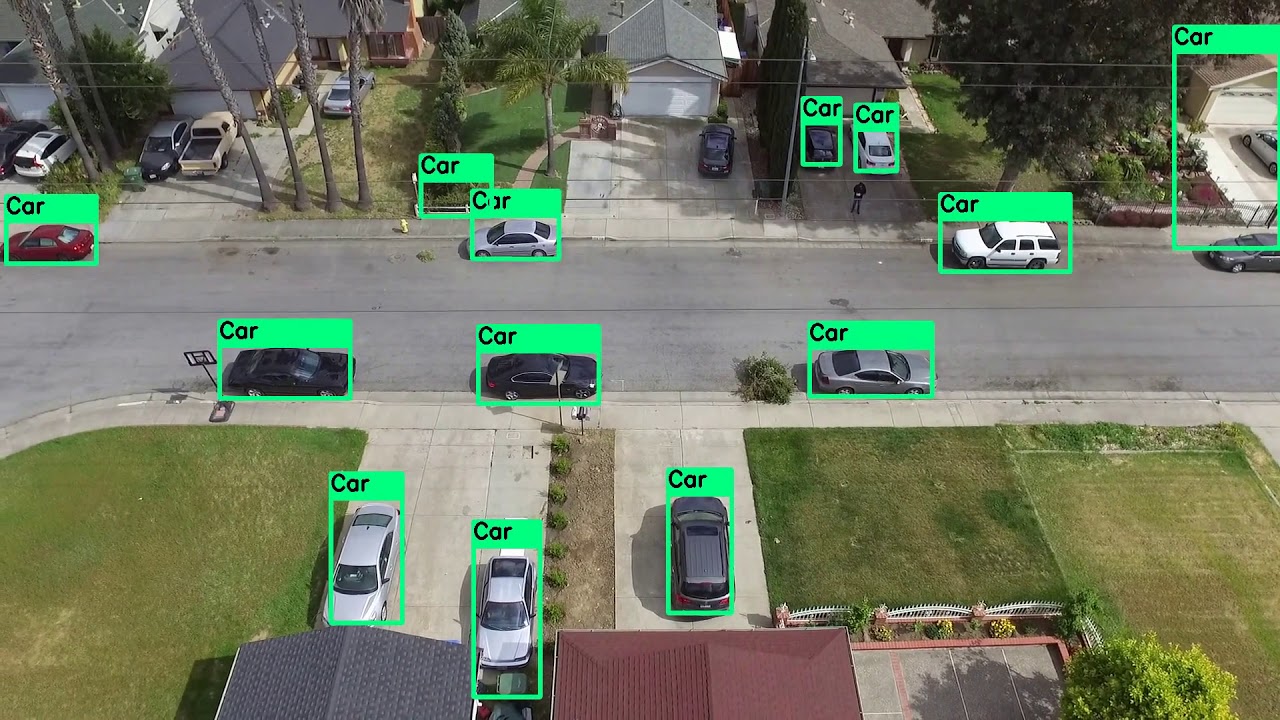
Visual inspection systems are advanced technological solutions that combine cameras, sensors, and artificial intelligence to automate the examination of objects for quality control, replacing manual inspections with precision and speed. These systems are critical in industries requiring flawless output, from manufacturing to logistics, ensuring products meet stringent standards. Visual inspection systems leverage machine vision to detect defects, verify components, and enhance efficiency. This guide explores their components, applications, and transformative impact.
Table of Contents
Anatomy of Visual Inspection Systems
Visual inspection systems integrate sophisticated hardware and software. High-resolution cameras, including 2D for flat surfaces and 3D for volumetric analysis, capture detailed visuals. Specialized lighting, such as LED or infrared, ensures optimal image quality. AI-powered software processes images, using algorithms like edge detection or deep learning to identify flaws. User-friendly dashboards display results, while integration with enterprise systems like ERP enables seamless workflows. These components deliver inspections with accuracy and speed unattainable by human operators.
Types of Inspection Systems
The versatility of visual inspection systems lies in their variety. 2D systems excel at surface inspections, like checking labels for alignment. 3D systems measure depth, ideal for complex assemblies. Thermal cameras detect heat leaks or electrical faults, while multispectral imaging analyzes material composition, used in recycling or food safety. Each type is tailored to specific industry needs, ensuring flexibility and precision across applications.
Setting Up a Visual Inspection System
Implementing visual inspection systems starts with a site survey to assess lighting, space, and defect types. Select vendors like Cognex or Basler, known for reliable hardware. Calibration with standardized samples ensures accuracy, while training models with diverse images builds robustness. Integration with existing systems, like conveyor belts or robotics, requires collaboration with engineers. Pilot testing validates performance, ensuring minimal disruption during full deployment.
Applications Across Industries
Visual inspection systems transform quality assurance. In manufacturing, they verify assembly accuracy, catching misaligned parts. Pharmaceuticals use them for pill counting or packaging integrity, ensuring compliance. Agriculture employs them for sorting produce, detecting blemishes or size variations. In logistics, they scan packages for correct labeling, streamlining sorting. These applications highlight the systems’ ability to enhance reliability and reduce errors across sectors.
Customization and Scalability
Customizing visual inspection systems ensures they meet specific needs. Modular designs allow adding cameras or sensors as production scales. Cloud-based systems enable data sharing across facilities, supporting global operations. APIs integrate with third-party tools, like analytics platforms, for deeper insights. This flexibility makes systems adaptable to evolving industry demands, from small workshops to large factories.
Troubleshooting Common Issues
Challenges in visual inspection systems include false positives, which can be reduced by refining detection thresholds. Hardware failures, like camera malfunctions, require redundant setups for reliability. Software updates address new defect types, while regular maintenance, like lens cleaning, ensures consistent performance. Proactive troubleshooting minimizes downtime and maintains inspection accuracy.
Real-World Success Stories
Amazon uses visual inspection systems in warehouses to verify picking accuracy, boosting efficiency by 30%. Boeing employs them for aircraft part inspections, detecting microscopic flaws to ensure safety. These cases demonstrate the value of tailoring systems to specific workflows, achieved through vendor collaboration and iterative testing.
Advancements Shaping the Future
By 2025, visual inspection systems will integrate quantum sensors for ultra-precise measurements. Federated learning will enable privacy-preserving model training across organizations. Sustainable designs, using recyclable components, align with green initiatives. These advancements will make systems more efficient, accessible, and environmentally friendly, driving adoption across industries.
Maximizing ROI with Inspection Systems
To optimize visual inspection systems, train operators to interpret data and troubleshoot issues. Use analytics to identify production trends, reducing defects. Partner with vendors for ongoing support and upgrades. Visual inspection systems redefine quality assurance, delivering precision, efficiency, and cost savings that set new industry benchmarks.